A Journey Through China's Tea Culture
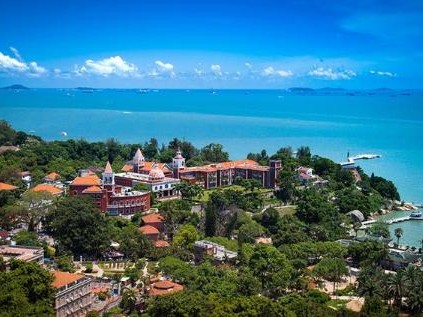
Nestled in southeastern China, Fujian Province is a land of stunning natural beauty, rich cultural heritage, and world-renowned tea traditions. With its misty mountains, emerald tea plantations, and ancient maritime history, Fujian offers a unique blend of natural wonders and cultural treasures.
Fujian is widely recognized as the birthplace of several major tea types, including oolong, black, and white teas. The province's diverse geography, from the rugged Wuyi Mountains to the fertile coastal plains, creates ideal conditions for growing high-quality tea.
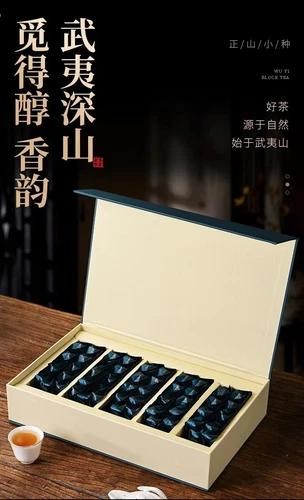
The Wuyi Mountains, a UNESCO World Heritage Site, are famous for their unique rock formations, clear streams, and ancient tea plantations. This region is the birthplace of oolong tea, a semi-fermented tea that combines the freshness of green tea with the depth of black tea.
The most famous tea from Wuyi Mountain is Da Hong Pao (Big Red Robe), often called the "King of Teas." Legend has it that this tea cured a Ming Dynasty emperor's mother, and he rewarded the tea bushes with red robes. Today, the original Da Hong Pao bushes are protected as national treasures.
Wuyi rock teas are known for their unique "rock rhyme" (yan yun), a complex flavor profile that combines mineral notes, floral aromas, and a long-lasting aftertaste. The tea is grown in crevices of the sandstone cliffs, absorbing the minerals and mist that give it its distinctive character.
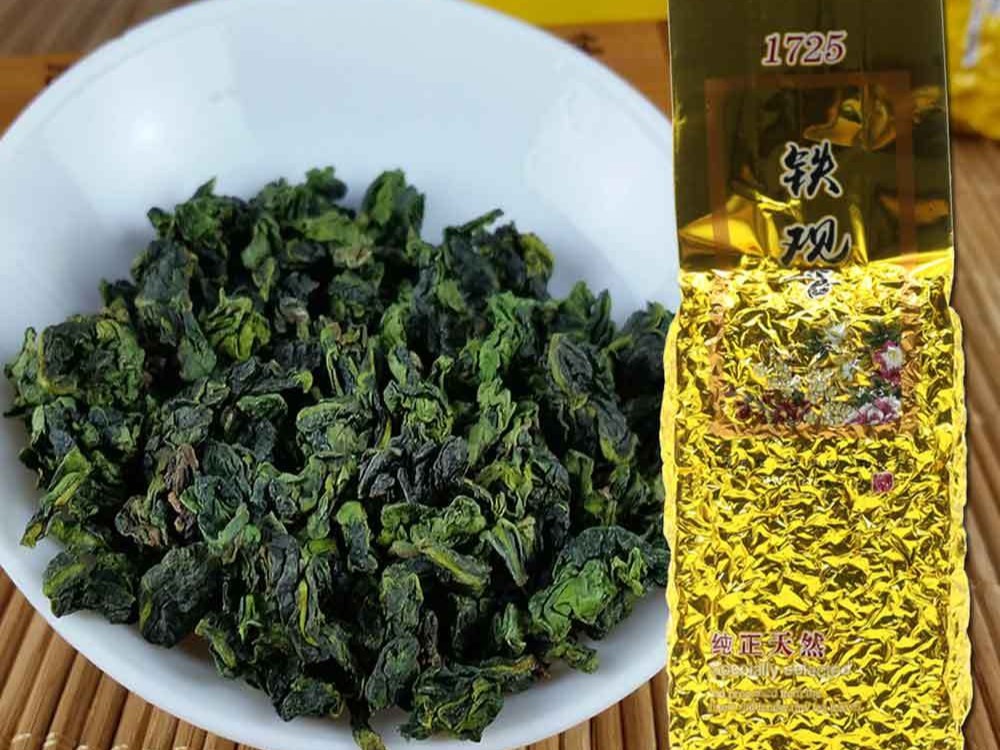
Anxi County, in southern Fujian, is the home of Tieguanyin, one of China's most famous oolong teas. Tieguanyin translates to "Iron Goddess of Mercy," named after a legend in which a tea bush appeared to a monk in a dream.
Tieguanyin is known for its strong floral aroma, often compared to orchids, and its smooth, sweet taste. The tea leaves are carefully processed using a traditional method that involves withering, shaking, roasting, and rolling. This complex process creates the tea's characteristic "green leaves with red edges" appearance.
Anxi Tieguanyin has a long history, with records dating back to the 18th century. Today, it is one of the most popular teas in China and is exported to tea lovers around the world.
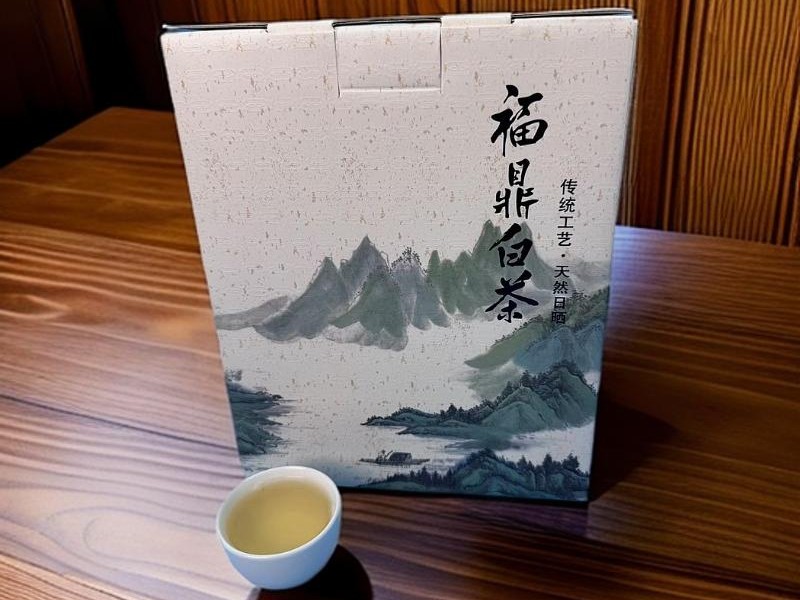
Fuding, in northeastern Fujian, is famous for its white tea, one of the rarest and most delicate tea types. White tea is made from young tea buds and leaves that are minimally processed, allowing them to retain their natural nutrients and flavors.
The most prized white tea is Bai Hao Yin Zhen (Silver Needle), made entirely from unopened tea buds covered in fine white hairs. This tea has a light, sweet flavor and a delicate aroma, often compared to fresh flowers or honey.
White tea is known for its health benefits, including high levels of antioxidants and anti-aging properties. It is also one of the least processed teas, making it a popular choice for health-conscious tea drinkers.
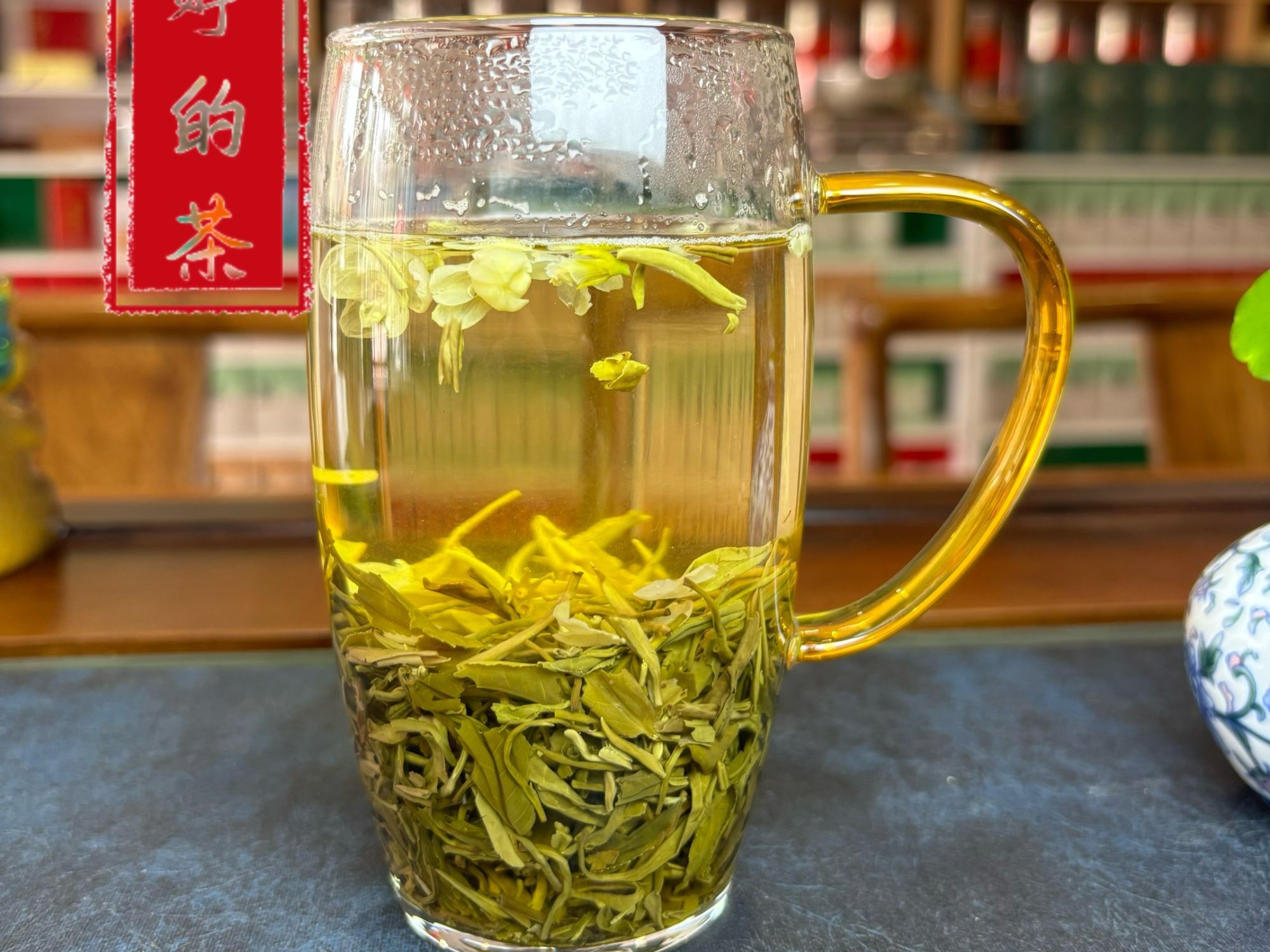
Fuzhou, the capital of Fujian Province, is famous for its jasmine tea, a scented tea that combines green tea with the aroma of jasmine flowers. The city has a long history of jasmine cultivation, with records dating back to the Song Dynasty (960-1279).
The process of making jasmine tea involves layering tea leaves with fresh jasmine flowers and allowing the tea to absorb the flower's fragrance. This process is repeated several times to create a strong, long-lasting aroma.
Fuzhou jasmine tea is known for its sweet, floral flavor and its ability to soothe the mind and body. It is often served as a welcome drink in Chinese homes and restaurants.
Fujian is also famous for its Gongfu tea ceremony, a traditional way of preparing and serving tea that emphasizes precision, patience, and appreciation. The ceremony involves using small teapots and cups, and the tea is brewed in multiple short infusions.
The Gongfu tea ceremony is more than just a way to drink tea; it is a cultural experience that promotes mindfulness, relaxation, and social connection. It is often performed in tea houses and is a popular activity for tourists visiting Fujian.
Fujian Province is a treasure trove of tea culture, with a rich history and diverse range of tea types. From the rocky slopes of Wuyi Mountain to the jasmine fields of Fuzhou, Fujian offers a unique tea experience that combines natural beauty, cultural heritage, and delicious flavors.
Whether you are a tea lover or a curious traveler, a journey through Fujian's tea country is sure to be a memorable experience. So why not pack your bags, grab a cup of tea, and discover the magic of Fujian for yourself?
Contact Us
For Plan your personalized Fujian travel or itinerary: