My Guangdong Food Adventure
My journey began at 7 AM in a bustling dim sum restaurant called Tao Tao Ju, a century-old institution that feels like a living museum of Cantonese culture. The air smelled of jasmine tea and steamed bamboo baskets, and the sound of clinking teacups filled the room.
"Yum cha!" I greeted the waiter, using the local term for morning tea. He nodded and brought over a small porcelain pot of Pu'er tea, which helps digest the rich food.
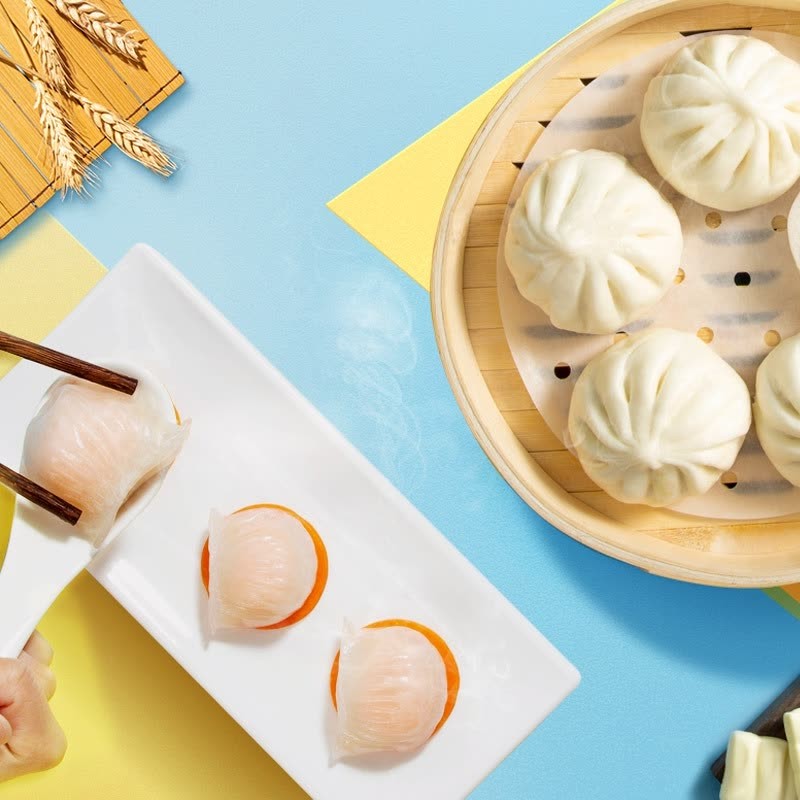
My first order was Har Gow (shrimp dumplings), translucent orbs filled with plump shrimp and bamboo shoots. The wrapper was so thin I could see the pink shrimp inside. Next came Siu Mai (open-faced pork dumplings), topped with bright orange crab roe that popped with briny sweetness.
But the real star was Char Siu Bao (barbecue pork buns). The soft white bread gave way to a sticky, sweet filling of slow-roasted pork glazed with honey. "Half-lean, half-fat," the waiter explained, pointing to the perfect marbling of meat.
By 10 AM, I had tried 12 different dim sum dishes, including turnip cakes, water chestnut cakes, and egg tarts with flaky pastry crusts. The meal lasted three hours, not because I was eating constantly, but because we stopped to chat and refill our tea cups. This is the true spirit of Yum Cha – it's not just about eating, it's about slowing down and enjoying company.
In the afternoon, I wandered through the narrow alleys of Liwan District, where street vendors sold snacks from metal carts. My first stop was a stall selling Cheung Fun (rice noodle rolls), silky sheets of rice flour wrapped around shrimp or beef. The vendor drizzled them with soy sauce and sesame oil, and they melted in my mouth.
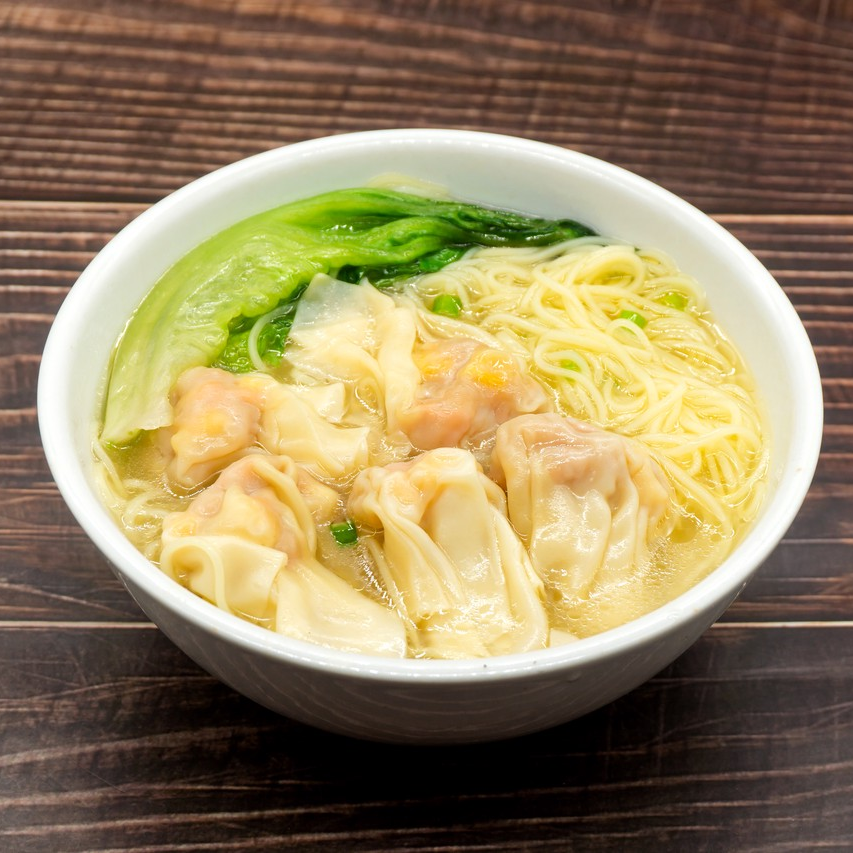
Next, I tried Wonton Noodles at a hole-in-the-wall shop called Wu Cai Ji. The noodles were made using a traditional bamboo press, which gives them a springy texture. They were served with plump wontons filled with shrimp and pork, swimming in a clear broth made from dried fish and pork bones. "Drink the soup first," the owner instructed. "It's the essence of the dish."
For dinner, I visited a Dai Pai Dong (open-air food stall) in Shamian Island. These street-side restaurants are known for their fiery stir-fries and communal tables. I ordered Beef Chow Fun (stir-fried rice noodles with beef), which the chef cooked in a wok over an open flame. The noodles had crispy edges from the high heat, and the beef was tender and marinated in oyster sauce.
No trip to Guangdong is complete without trying Char Siu (barbecue pork). I went to a famous roast meat shop called Guangzhou Restaurant, where the pork hangs in the window with glistening red skin. The chef recommended "half-lean, half-fat" pork, which had the perfect balance of tenderness and fat. The meat was glazed with honey and soy sauce, giving it a sweet, caramelized flavor.
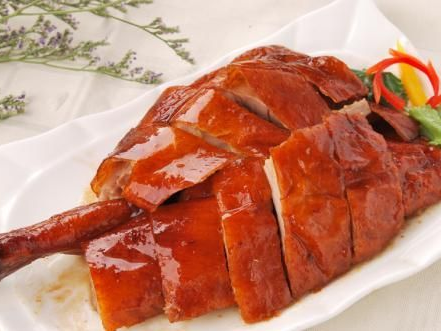
For lunch, I tried Roast Goose at Yokee Roasted Goose, a family-run restaurant that has been serving the dish for over 60 years. The goose had crispy bronze skin and juicy meat, which I dipped in tangy plum sauce. The owner explained that the goose is marinated in a secret blend of spices for 24 hours before being roasted over fruit wood.
In the evening, I visited a night market in Tianhe District, where vendors sold everything from grilled squid to stinky tofu. My favorite was Bok Choy (Chinese cabbage) stir-fried with garlic, which had a fresh, slightly bitter flavor that balanced the rich food I had eaten all day.
On my last day, I indulged in Cantonese desserts, which are known for their subtle sweetness and delicate flavors. My first stop was a shop selling Double Skin Milk Pudding, a creamy dessert made by steaming milk twice to create a thick skin on top. It was sweet but not cloying, with a smooth, custard-like texture.
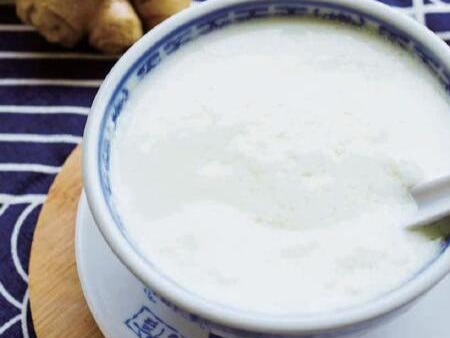
Next, I tried Ginger Milk Pudding, which is made by pouring hot milk over fresh ginger juice. The acid in the ginger causes the milk to curdle, creating a warm, spicy dessert that's perfect for cool evenings.
My final meal was Turtle Jelly, a bitter herbal jelly made from turtle shell and Chinese herbs. It's served with honey or red bean paste to balance the bitterness, and it's believed to have cooling properties that help with digestion.
What struck me most about Guangdong cuisine is its philosophy of balance and harmony. The food is designed to nourish the body as well as the soul, with ingredients chosen for their medicinal properties as well as their flavor.
But more than that, eating in Guangdong is a social experience. Whether it's a three-hour morning tea with friends or a quick street food snack with strangers, food brings people together here. It's a way to connect with the past, with the community, and with the land itself.
For groups of 4 people or less, I highly recommend renting a private car to explore Guangdong's food scene. This gives you the flexibility to visit multiple restaurants and street food stalls in one day, without worrying about public transportation schedules or taxi availability. Many car rental companies offer affordable rates for short-term rentals, and most drivers are familiar with the best food spots in the city.
As I boarded the plane back home, I realized that I wasn't just leaving with a full stomach – I was leaving with a deeper understanding of what it means to live well. In Guangdong, food is not just sustenance; it's a way of life.